GlobeVerge
GlobeVerge Originals

Written by GlobeVerge from facts already on the public record — explanation, comparison and context, rather than reporting carried from another newsroom.

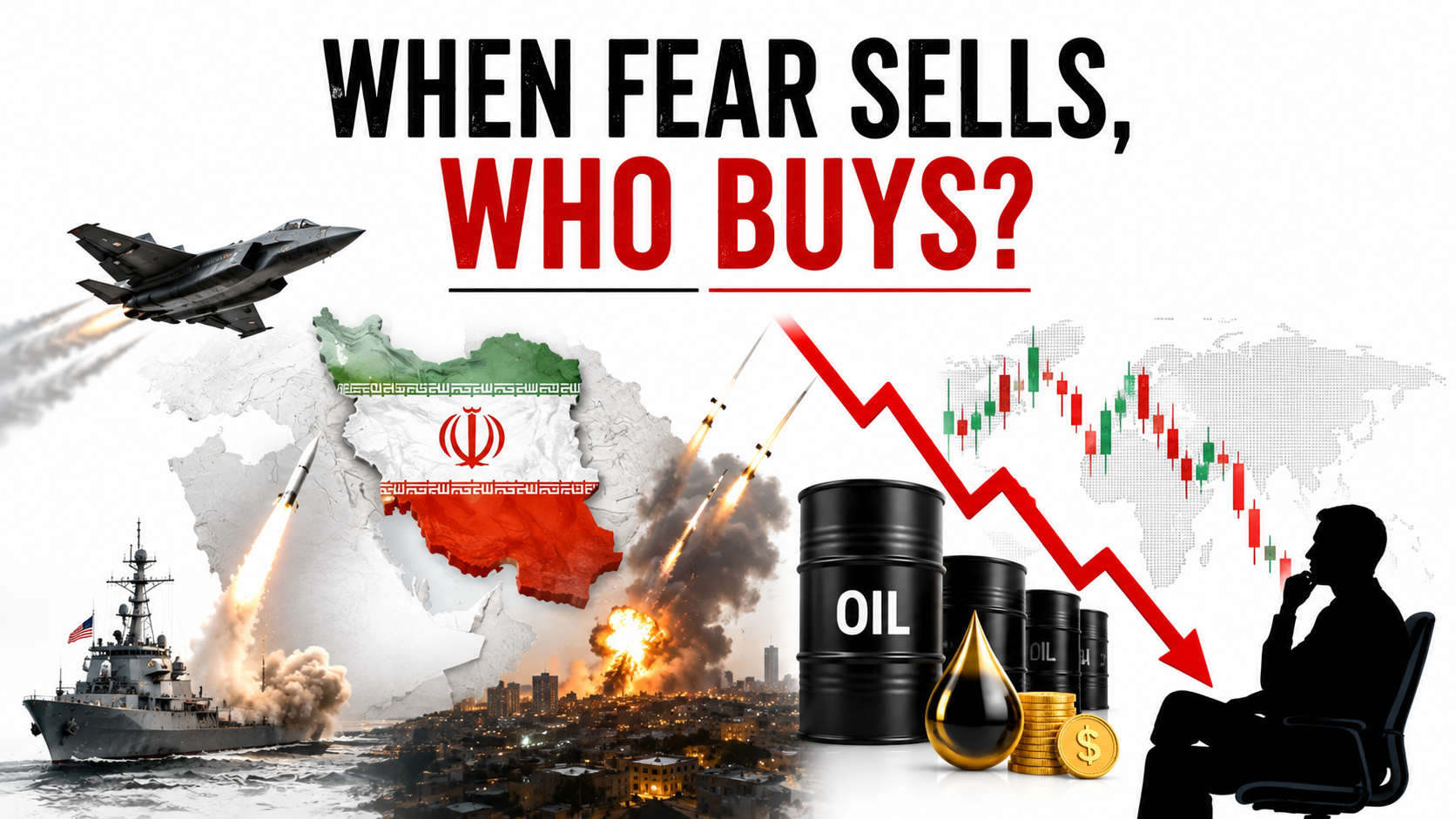
WAR IS BACK. SO ARE THE BARGAINS?

The United States has struck Iran again. Iran has retaliated. Oil jumped and Asian stocks opened under pressure. For investors, the instinct may be to run. But if this conflict keeps producing repeated bursts of fear rather than a catastrophic expansion, market sell-offs could also become opportunities to accumulate strong companies at prices that calmer markets rarely offer.

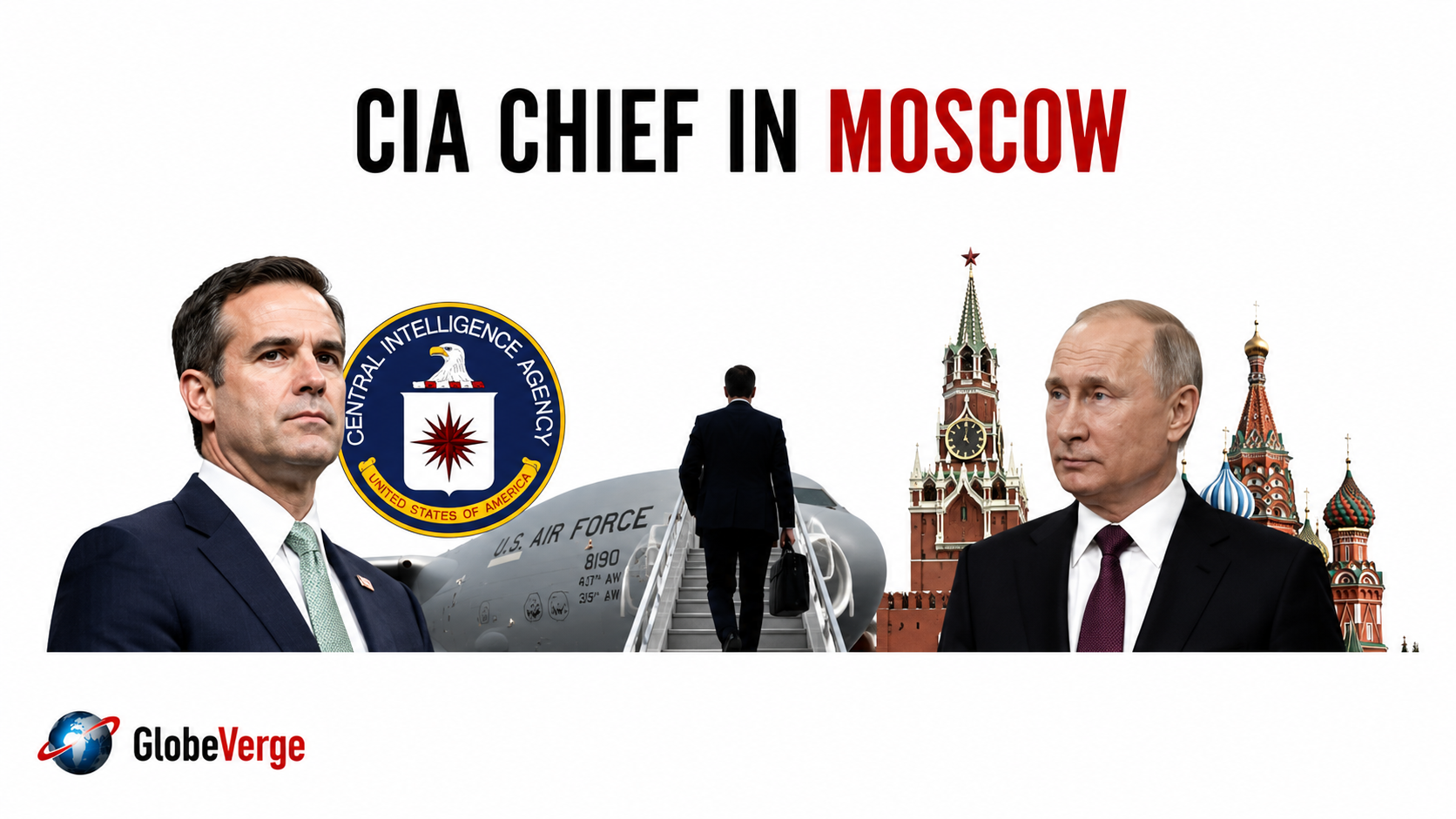
WHY DID AMERICA’S SPY CHIEF SECRETLY FLY TO MOSCOW?

A U.S. military aircraft quietly carried CIA Director John Ratcliffe into Moscow for one of the most unusual American visits to Russia since the Ukraine war began. Russia says it was routine. Donald Trump called it “semi-routine.” But put together the reported subjects surrounding those eight hours—Ukraine, NATO, Iran and America’s increasingly stretched military commitments—and the mission looks anything but ordinary.

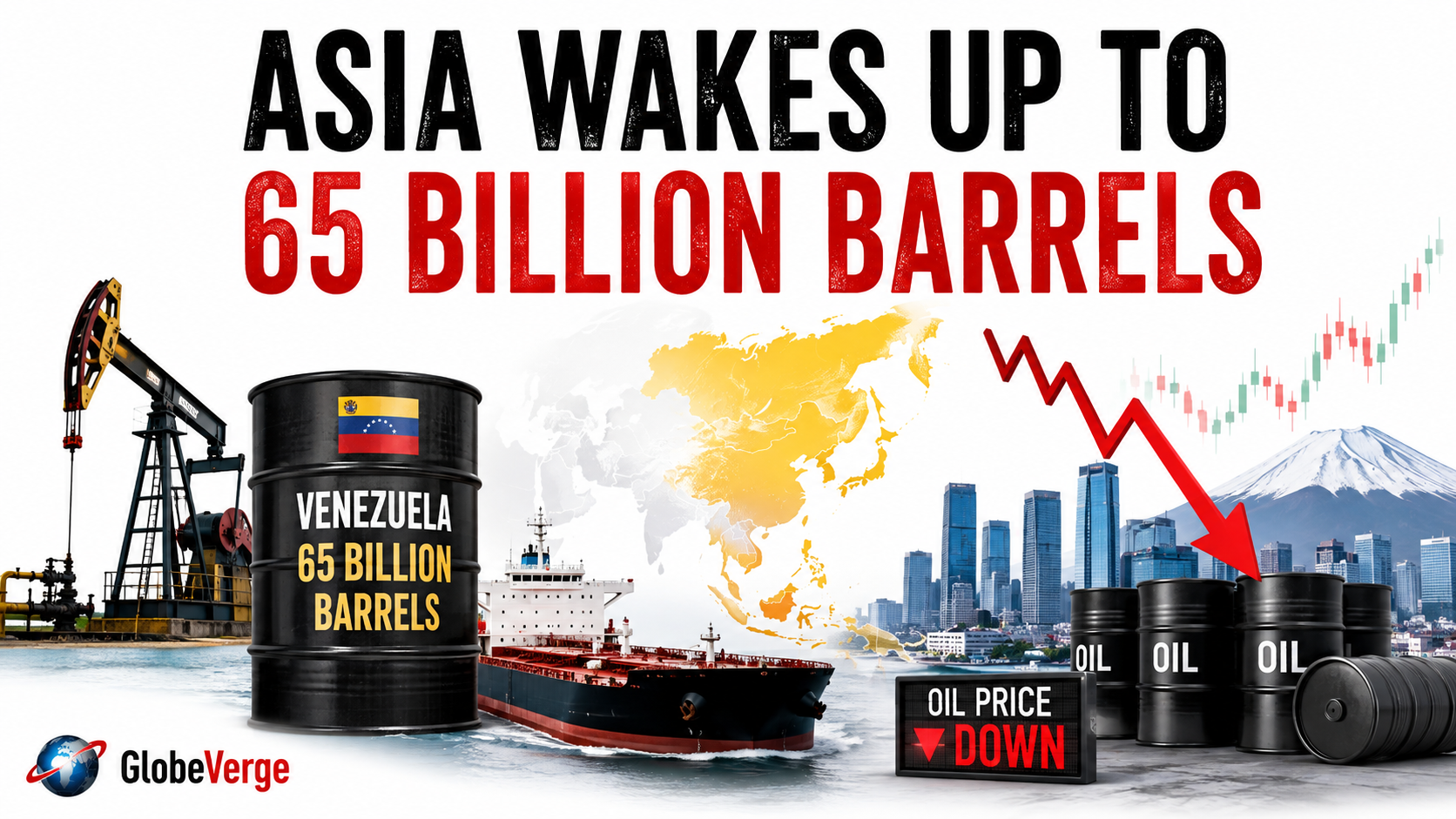
MONDAY’S MARKET SURPRISE MAY COME FROM VENEZUELA

Wall Street closed before investors had a full opportunity to digest Donald Trump’s latest Venezuela oil announcement. Now attention turns to Asia. If traders interpret greater U.S. access to Venezuela’s enormous reserves as the beginning of a major new supply story, oil could face fresh pressure when markets reopen—and cheaper crude could give oil-importing Asian economies an unexpected Monday boost.

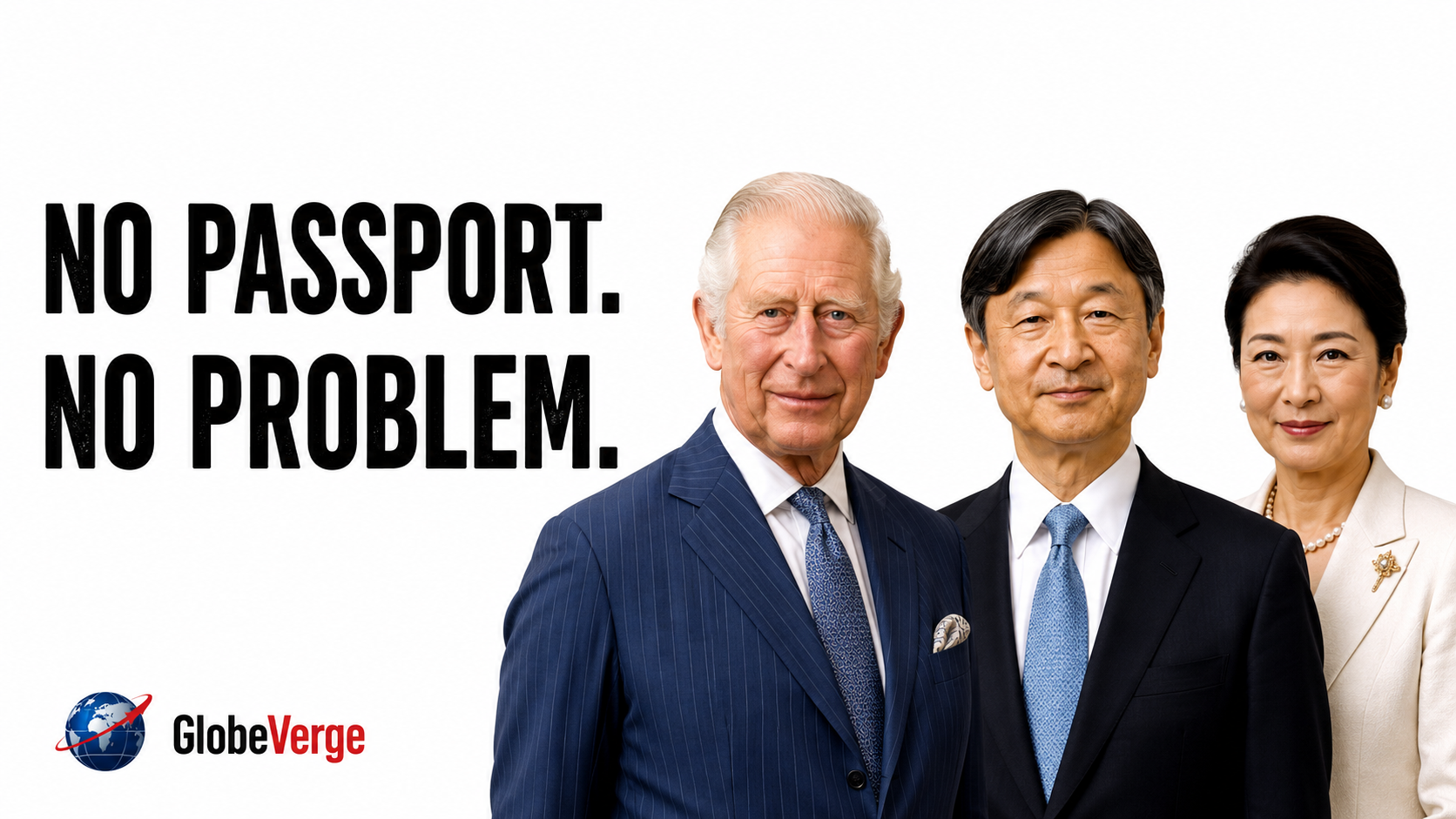
8 BILLION PEOPLE. THREE DON’T NEED A PASSPORT.

For almost everyone on Earth, international travel begins with the same question: Where is your passport? But three people occupy an extraordinary position. Britain’s King Charles III, Japan’s Emperor Naruhito and Empress Masako can travel overseas without carrying the document the rest of the world considers essential.

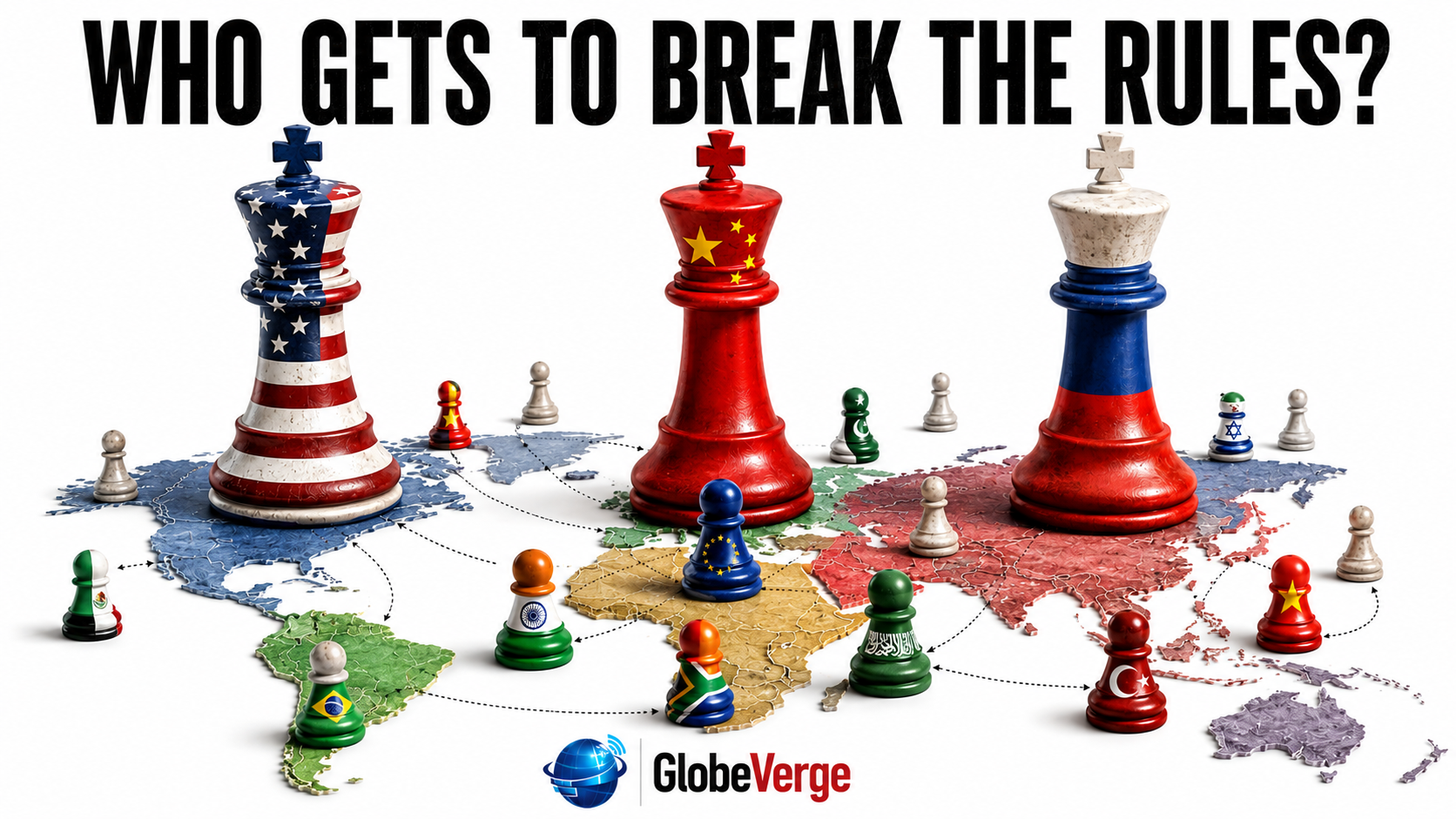
THE WORLD HAS RULES. POWER HAS OPTIONS.

The United States removed Venezuela’s president. Months later, Washington says it has secured majority control over more than 65 billion barrels of Venezuelan oil reserves. Russia continues its war in Ukraine despite years of sanctions. China increasingly demonstrates that American economic pressure has limits. Around them, dozens of other nations manoeuvre, negotiate and adapt. The uncomfortable question is becoming harder to avoid: are the rules of the international system really the same for everyone?

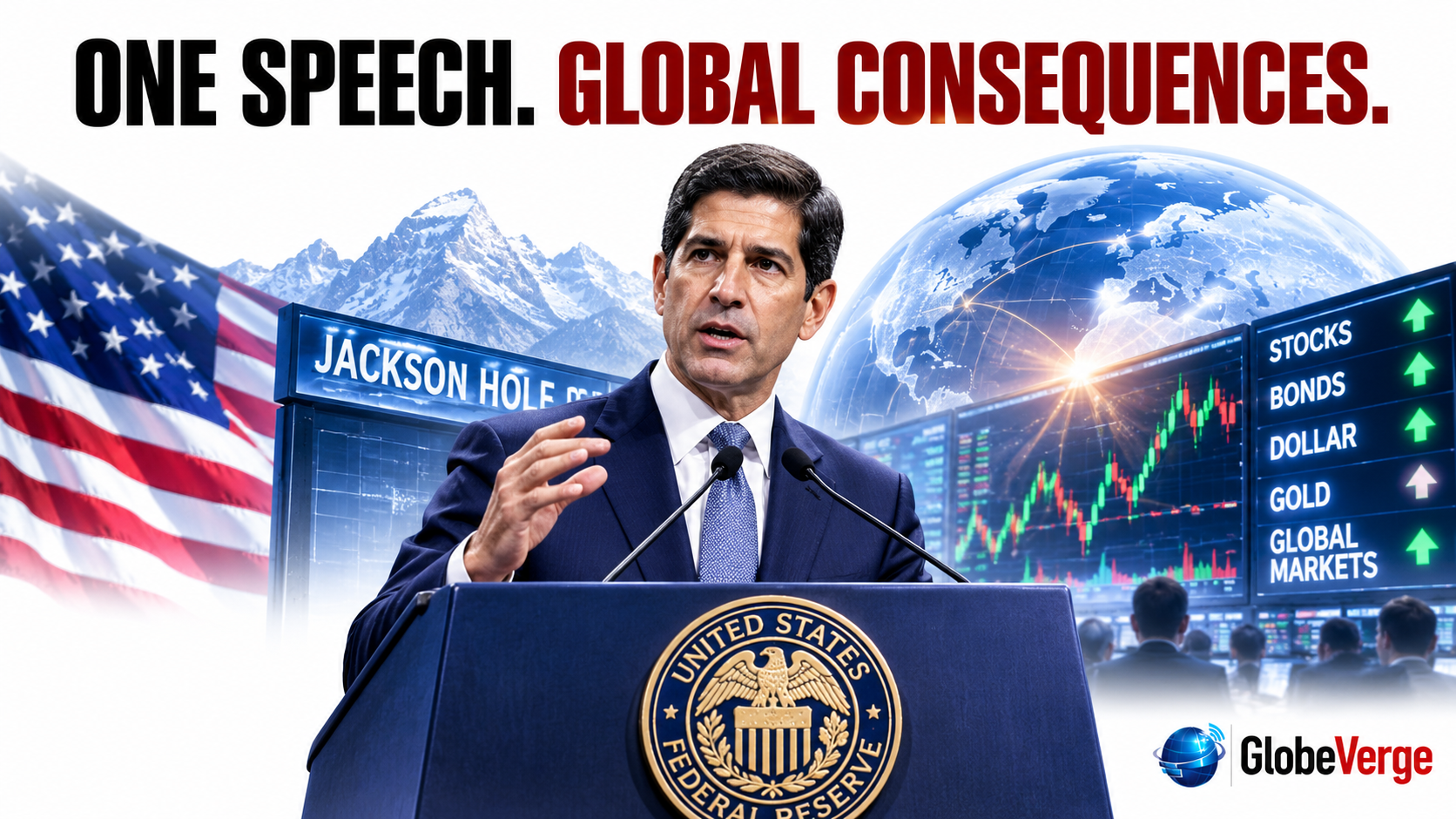
Update : Warsh Signals Rates Could Rise Again

Fed Chair says inflation remains too high and policy may need to tighten further — markets rethink September rate expectations. MARKET IMPACT: ⚠️ RISK-OFF LEAN Stocks: Negative/Mixed Dollar: Positive Gold: Pressure Rate-cut hopes: Negative September hike risk: Rising

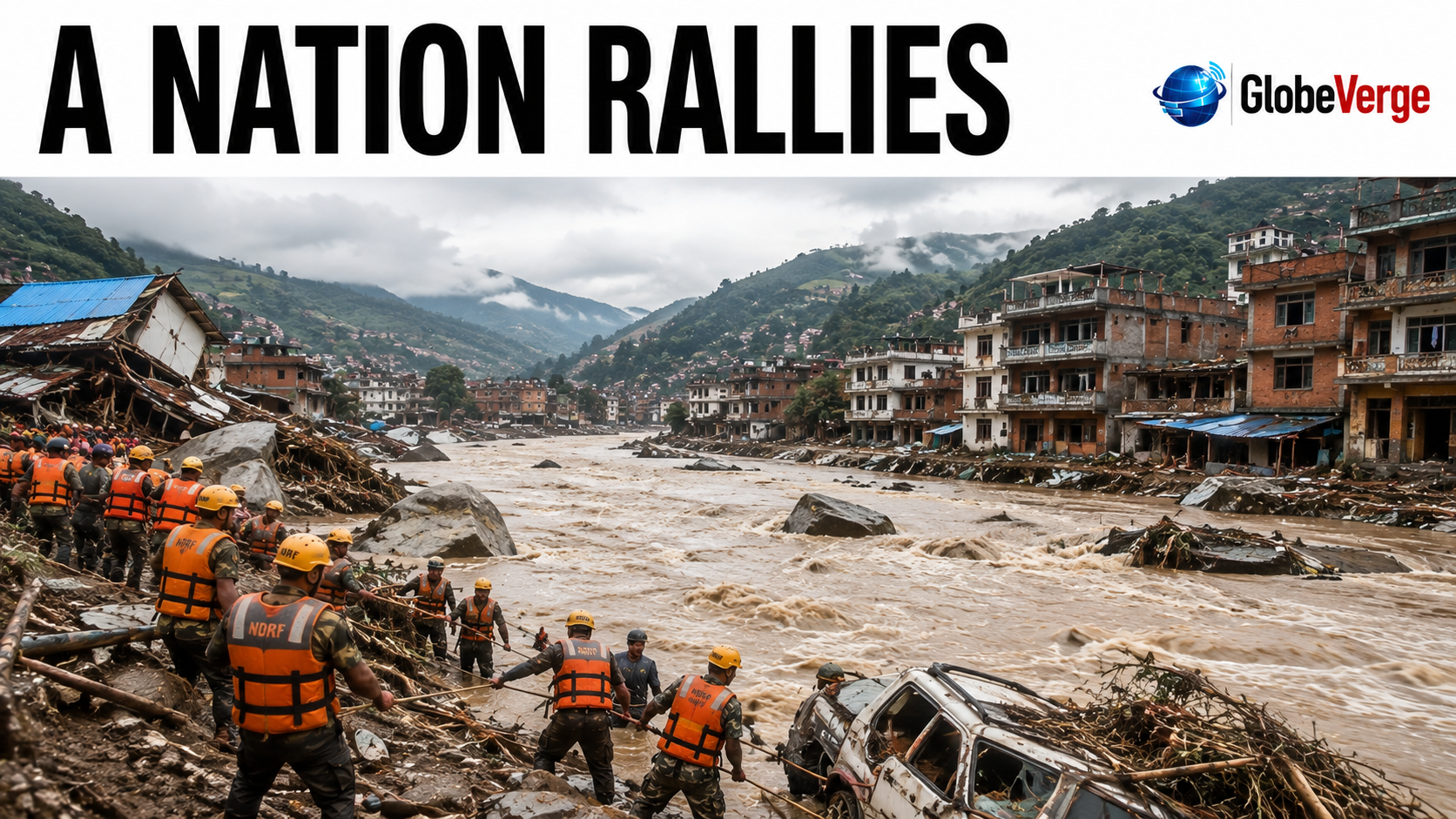
THE RACE AFTER THE FLOOD

After devastating floods tore through communities and infrastructure, Nepal’s response moved quickly. NPR 273.3 million reached the Prime Minister’s Disaster Relief Fund within the first six hours, while businesses, banks, institutions and government agencies mobilised money, equipment and essential supplies. Now Nepal faces the harder challenge: turning that rapid response into recovery and reconstruction.

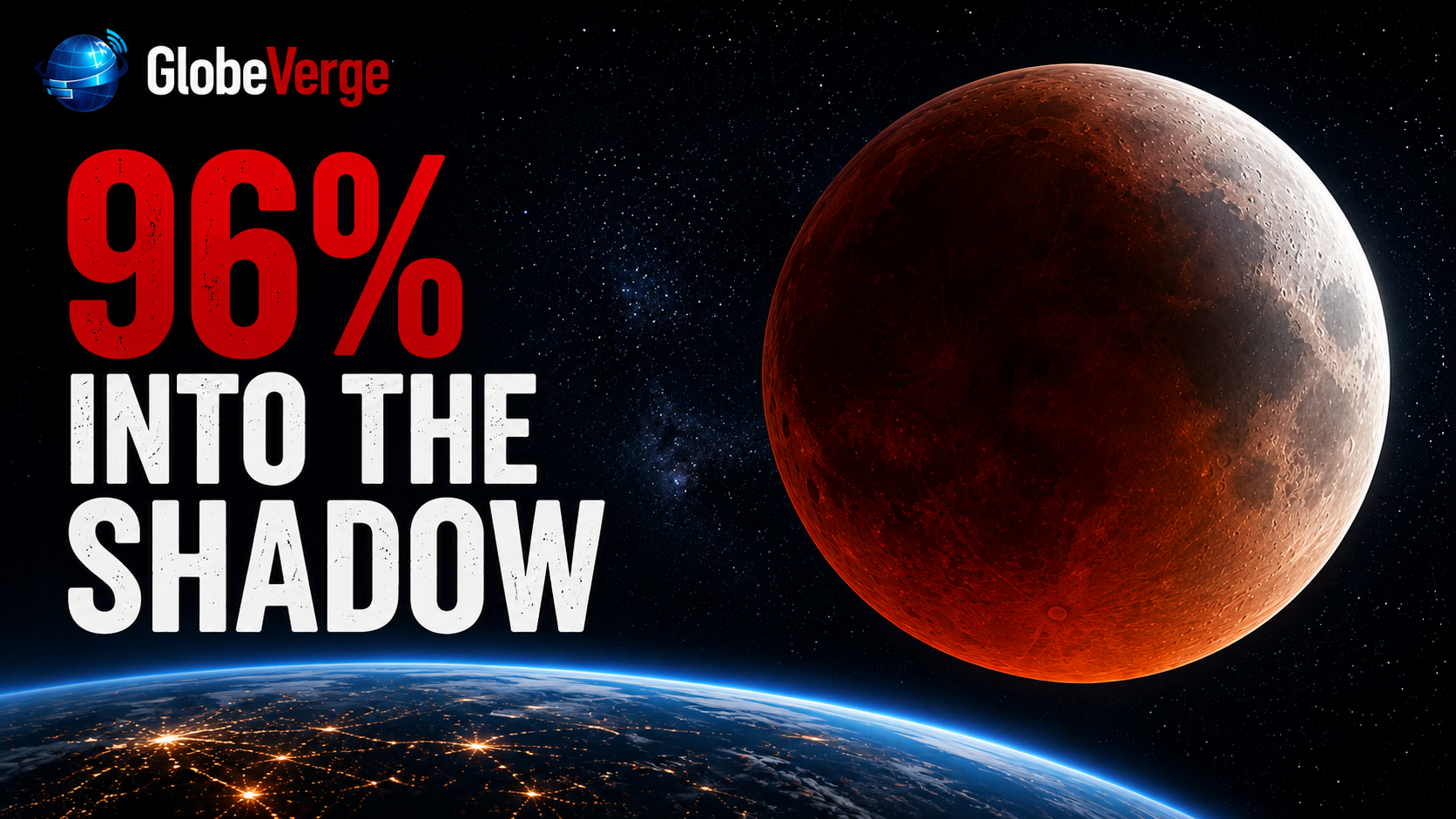
Earth Will Almost Swallow the Moon — But Much of Asia Won’t See It

Earth is about to cast its darkest shadow across roughly 96% of the Moon, creating a lunar eclipse that comes remarkably close to totality. For people in the right parts of the world, the Moon will dramatically darken as it moves deep into Earth’s shadow, potentially taking on striking red and copper tones.The spectacle will be visible across large parts of the Americas and other regions — but much of Asia, will miss the dramatic peak because the Moon will already be below the horizon.

NASA Is Opening a New Window on the Universe

NASA is preparing one of its most ambitious new eyes on space. The Nancy Grace Roman Space Telescope is designed to survey enormous areas of the universe far faster than existing flagship observatories, searching for distant worlds while investigating two of astronomy’s biggest mysteries: dark energy and dark matter. The excitement isn’t simply about what Roman is designed to find. With such a vast view of the sky, scientists are also preparing for discoveries nobody planned for.

The Ocean Just Broke a Record in the Wrong Month

The world’s oceans have entered unusual territory. Global sea-surface temperatures have climbed to their highest recorded average level — not during the usual peak season, but in August. The timing matters because oceans store enormous amounts of heat and influence rainfall, storms and weather across continents. What is happening at sea now could help shape weather on land in the months ahead.

Trump’s Economic D-Day: Real Weapon or the World’s Biggest Bluff?

Trump is preparing to turn America’s economic power against Iran tonight. The threat sounds formidable: squeeze Tehran’s trade and make continued business with Iran increasingly costly for anyone willing to help it. But announcing economic isolation is easier than achieving it. China buys Iranian oil, alternative trading routes already exist, and energy markets connect Iran to countries far beyond the conflict. Tonight’s real question is not what Trump announces. It is how much of the world follows him.

America Is Building the Brain. China Is Building the Body. Who Wins the AI Race?

The U.S.–China technology race is taking a new turn. America has enormous strength in AI models, computing and investment, while China is rapidly pushing intelligent machines into factories and the physical world. The next phase of AI may not be decided by the smartest chatbot, but by who can combine intelligence with machines cheaply enough to deploy them everywhere.

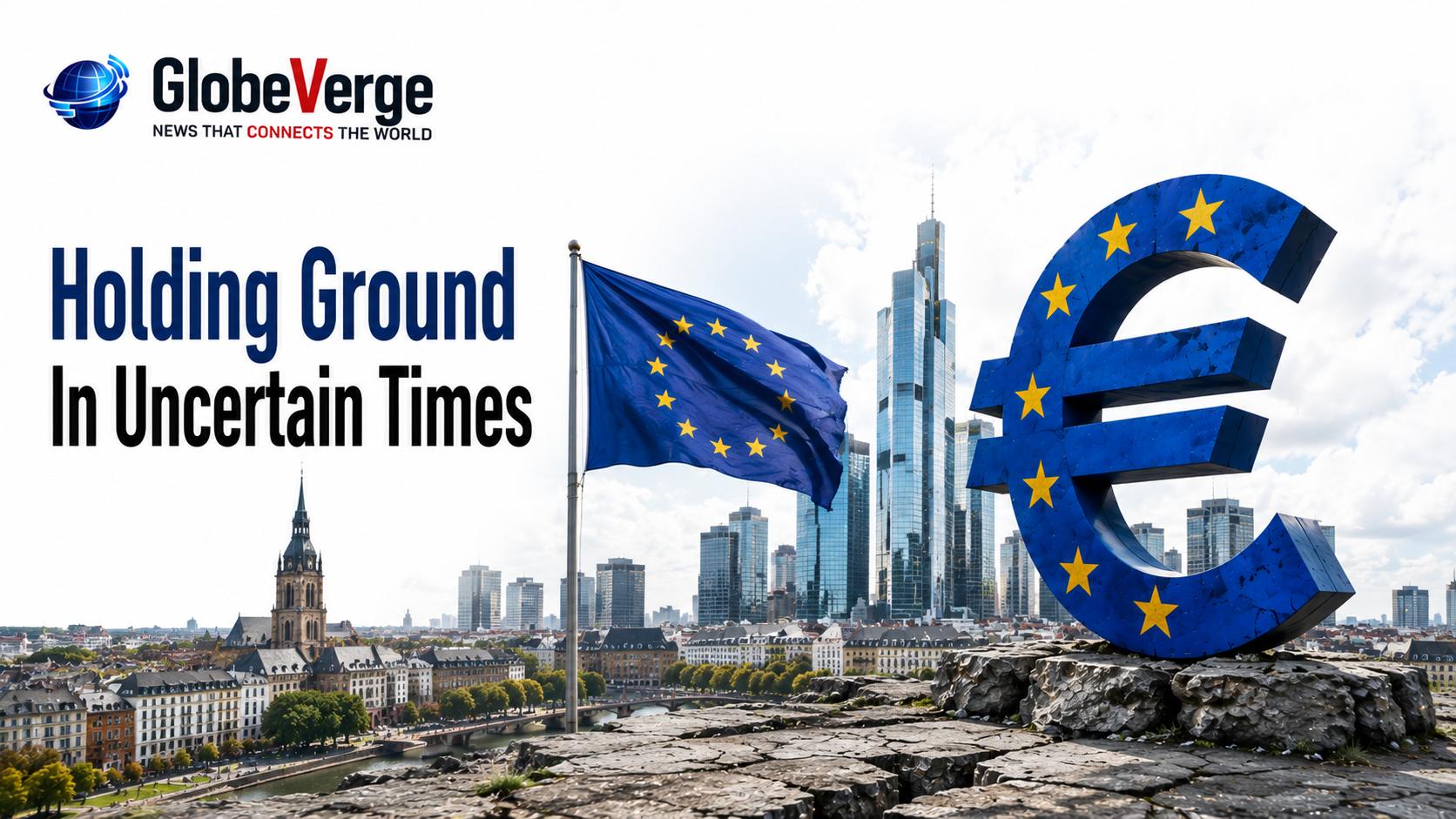
Europe Refuses to Fall — But How Many Shocks Can Its Economy Take?

Europe has endured a pandemic, an energy crisis, inflation, higher interest rates, trade tensions and another wave of geopolitical instability. Yet its economy continues to grow, factories are strengthening and export demand is showing signs of recovery. Europe is far from booming, but after years of disruption, its ability to keep absorbing economic shocks is becoming a story of its own.

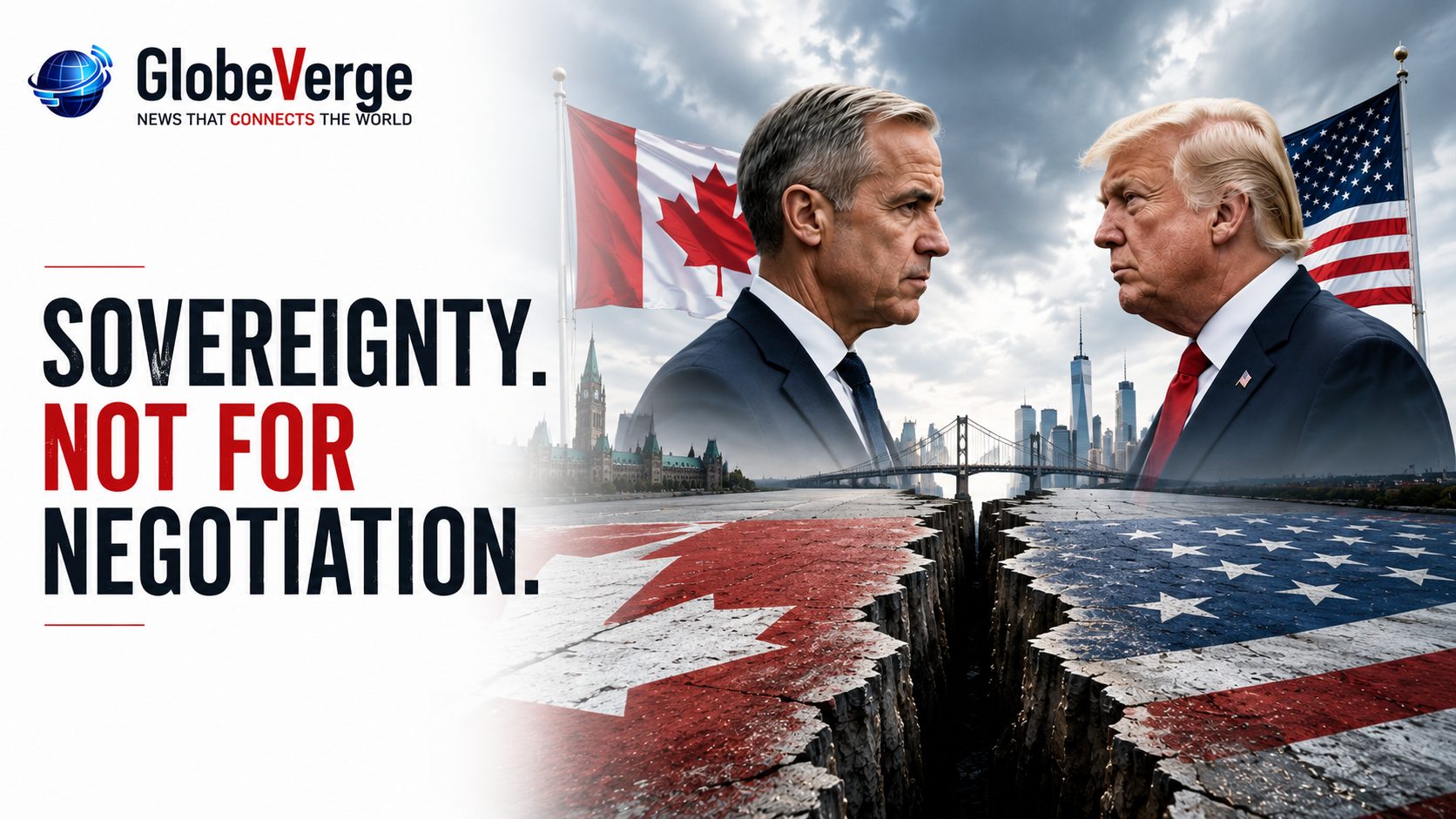
Canada Draws a Line: Some Things Aren’t for Sale

Canada and the United States appeared close to a trade agreement. Then the negotiations broke down. Washington responded with 50% tariffs on roughly C$28 billion of Canadian goods, while Canada prepared dollar-for-dollar retaliation. But Ottawa says the dispute ultimately crossed a line beyond tariffs: access to the American market could be negotiated; Canada’s ability to make its own decisions could not.

Germany’s Factories Are Waking Up — While Much of the World Is Running on Services

Germany is showing an unusual economic reversal. Manufacturing activity has climbed to its strongest level in more than four years, exports are improving and a 26-month decline in employment has finally stopped. While economies such as the United States and Britain remain heavily driven by services, Germany appears to be rediscovering the industrial engine that built its economic strength.

Crypto Suddenly Wakes Up — What Just Lit the Fuse?

The crypto rally appears to have started outside crypto itself. A surprise U.S. Treasury move pushed long-term bond yields lower and weakened the dollar, improving conditions for risk assets. Bitcoin then hit a heavily positioned derivatives market, triggering more than $1 billion in short liquidations in roughly an hour and turning an initial rally into a powerful squeeze

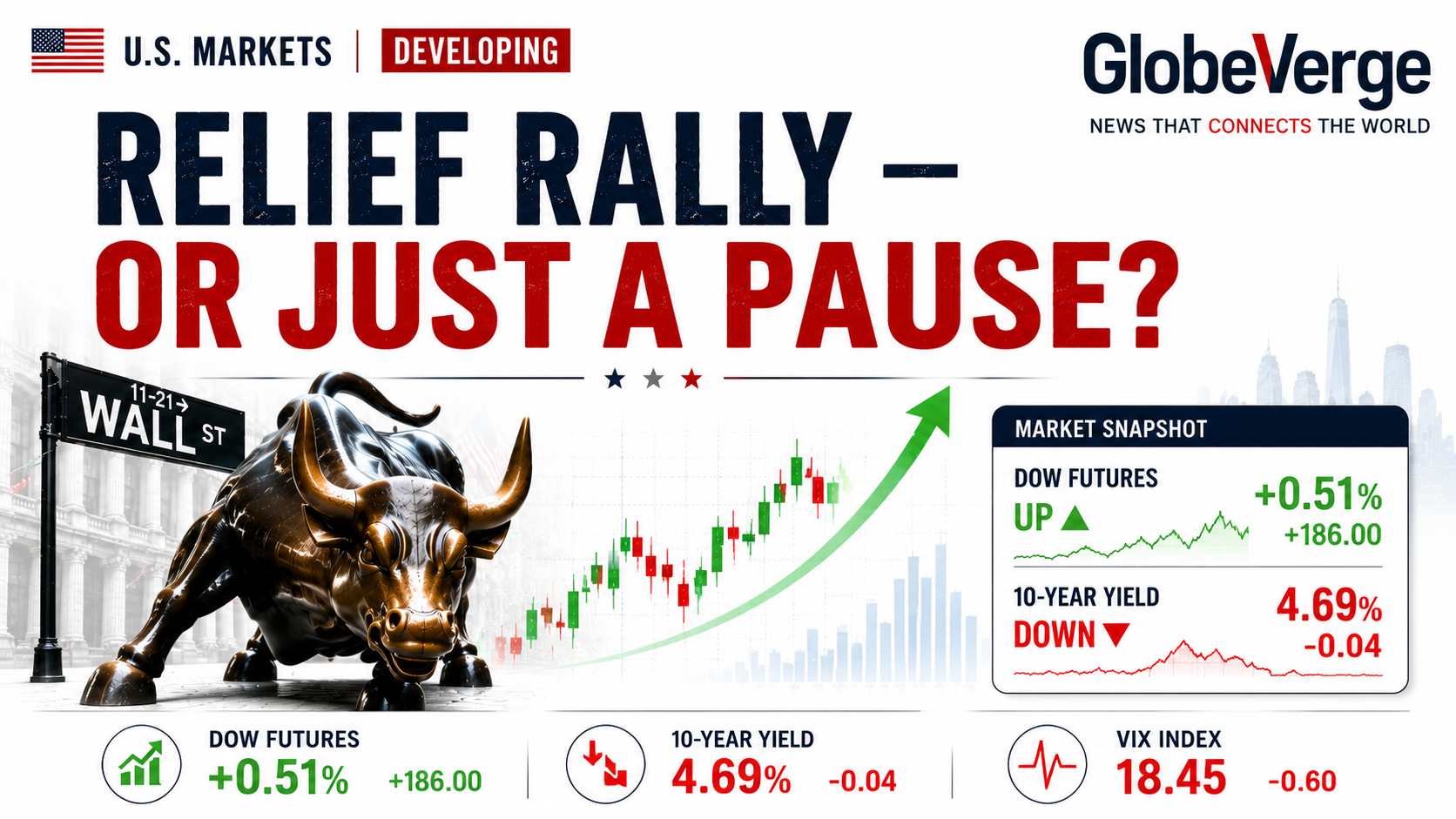
Wall Street Is Trying to Bounce Back — But Is the Fear Really Over?

Dow futures are attempting a recovery after days of selling, while U.S. Treasury yields have pulled back from recent highs. But technology shares remain fragile and investors are waiting for fresh signals from the Federal Reserve — making this a recovery attempt, not yet a confirmed turnaround.

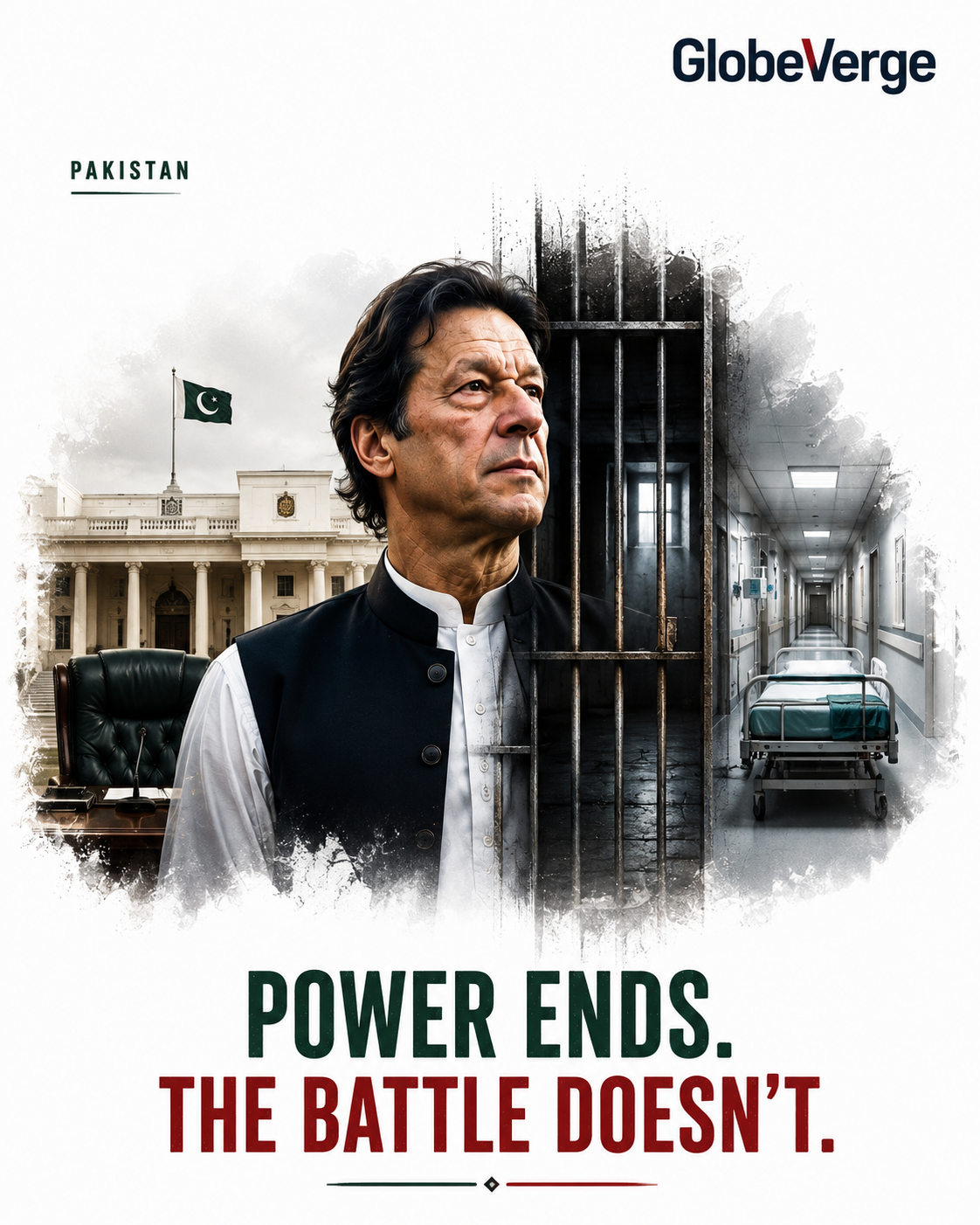
From the Prime Minister’s House to a Prison Hospital

Pakistan’s Supreme Court has ordered jailed former prime minister Imran Khan to be moved to hospital amid concerns over his health. But the extraordinary journey from cricket legend to prime minister to prisoner is about more than one man — it reopens an uncomfortable question about Pakistan’s long history of elected leaders whose time at the top ended in dismissal, exile, imprisonment or worse.

Another Temple. Another Crowd. Another Tragedy India Has Seen Before.

Seven people have been killed and more than a dozen injured after a crowded religious gathering near Bihar’s Ashok Dham Temple descended into panic. But the bigger story isn’t just what happened today. India has been here before — many times. In 2024, the Hathras crowd disaster killed 121 people. In 2025, six people died near Tirupati after thousands gathered for temple visit passes. Go further back and the numbers become even more disturbing. 115 people died near Ratangarh Temple in 2013. Around 250 were killed at Chamunda Devi Temple in 2008. More than 265 died at Maharashtra’s Mandhardevi Temple in 2005. Different places. Different years. Different immediate triggers. But frighteningly similar endings. India hosts religious gatherings on a scale few countries in the world ever experience. Millions can move through temples, pilgrimage routes and temporary gathering areas within remarkably short periods. That makes crowd management difficult. But after decades of tragedies, it also raises a much harder question: Should real-time crowd density monitoring, controlled entry, one-way pedestrian movement, protected emergency corridors and automatic capacity warnings now be mandatory at India’s biggest religious gatherings?

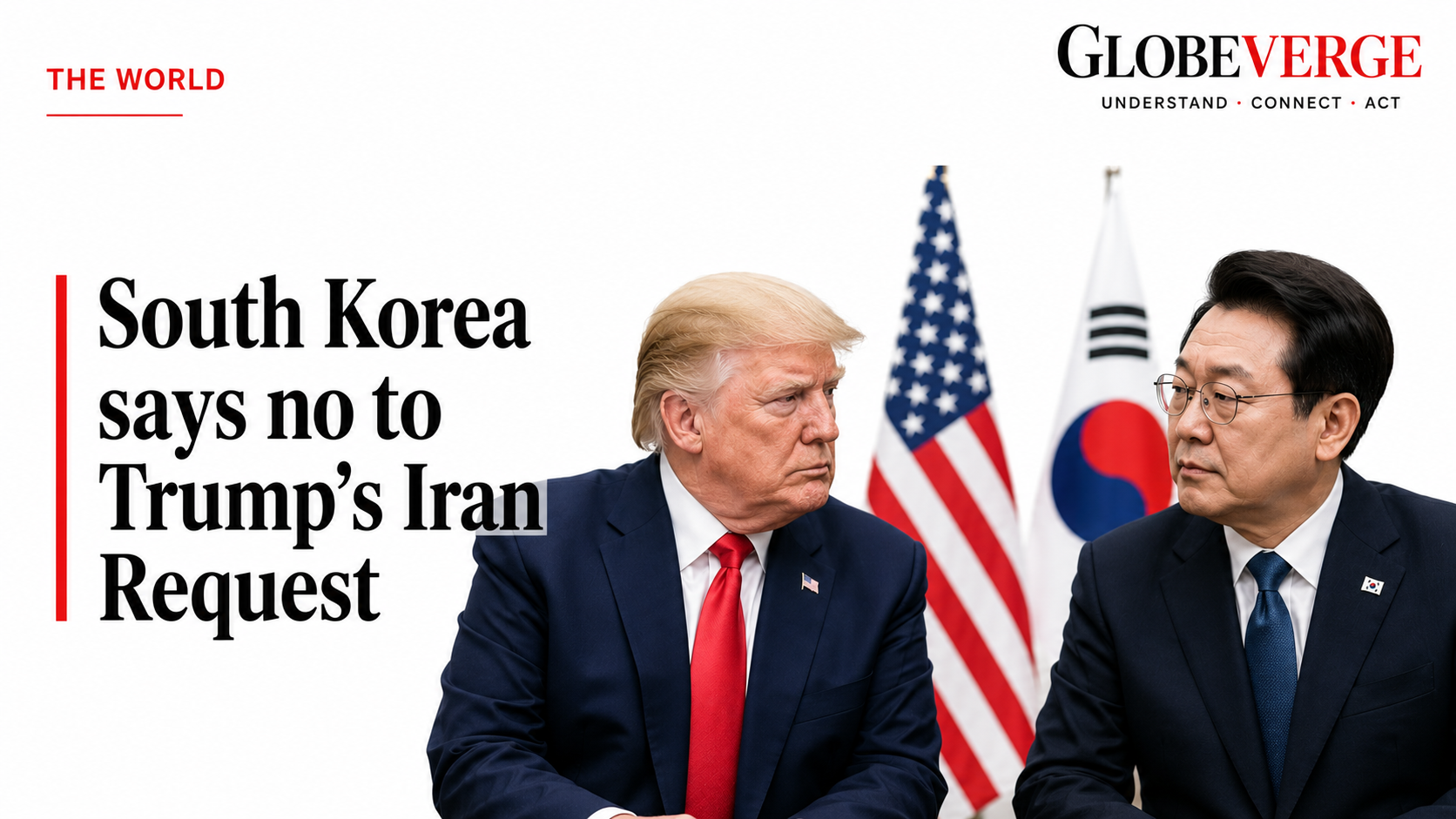
South Korea Won’t Follow Trump Into Iran — And It May Not Be the Last Ally to Say No

South Korea has declined Trump’s request to join U.S. efforts against Iran. Now the disagreement is spilling into the U.S.–South Korea security relationship — raising a much bigger question: how many of America’s partners are actually willing to follow Washington deeper into the Iran confrontation? For the United States, this is not primarily a question of military capability. America can fight Iran without South Korea. The more uncomfortable issue is diplomatic. Trump says South Korea rejected his request to participate in U.S. efforts against Iran with a simple: “No thanks.” Trump has also ordered a substantial reduction in joint U.S.–South Korean military exercises, while citing their cost and his desire for better relations with North Korea. South Korea is not alone in showing reluctance toward deeper direct involvement in the Iran confrontation. And that creates a question much bigger than one country’s decision: What happens if America remains powerful enough to fight — but increasingly has to fight without many of its traditional allies beside it?

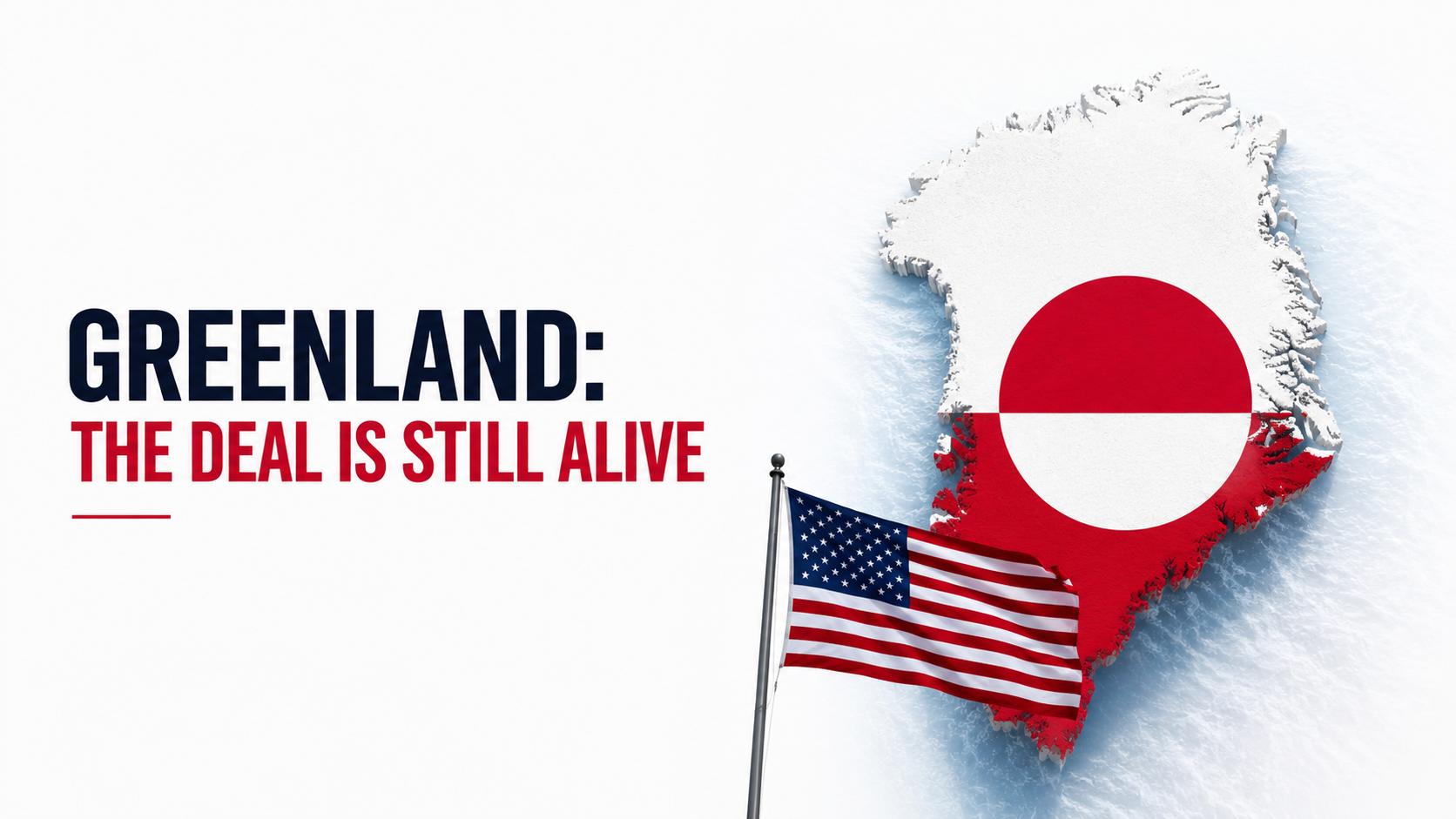
Trump’s Greenland Plan Never Died — A Deal Could Now Come Before Year-End?

The world moved on from Trump’s extraordinary push for Greenland. Washington didn’t. Talks with Greenland and Denmark have continued, and officials now say an agreement could potentially emerge before the end of 2026 — focused not necessarily on ownership, but on military access, Arctic security and deeper U.S. involvement. Remember Greenland? For weeks it was one of the biggest stories in the world. Then the headlines moved elsewhere. But something important happened while attention disappeared: The argument over buying Greenland appears to be evolving into negotiations over what America actually wants from Greenland. And that distinction could matter more than Trump’s original demand. The United States doesn’t necessarily need an American flag flying over Greenland to gain strategic advantages. Greater military access, surveillance capabilities, Arctic infrastructure and economic cooperation could deliver much of what Washington wants without formally acquiring the island. What if Trump doesn’t need to buy Greenland to get Greenland?

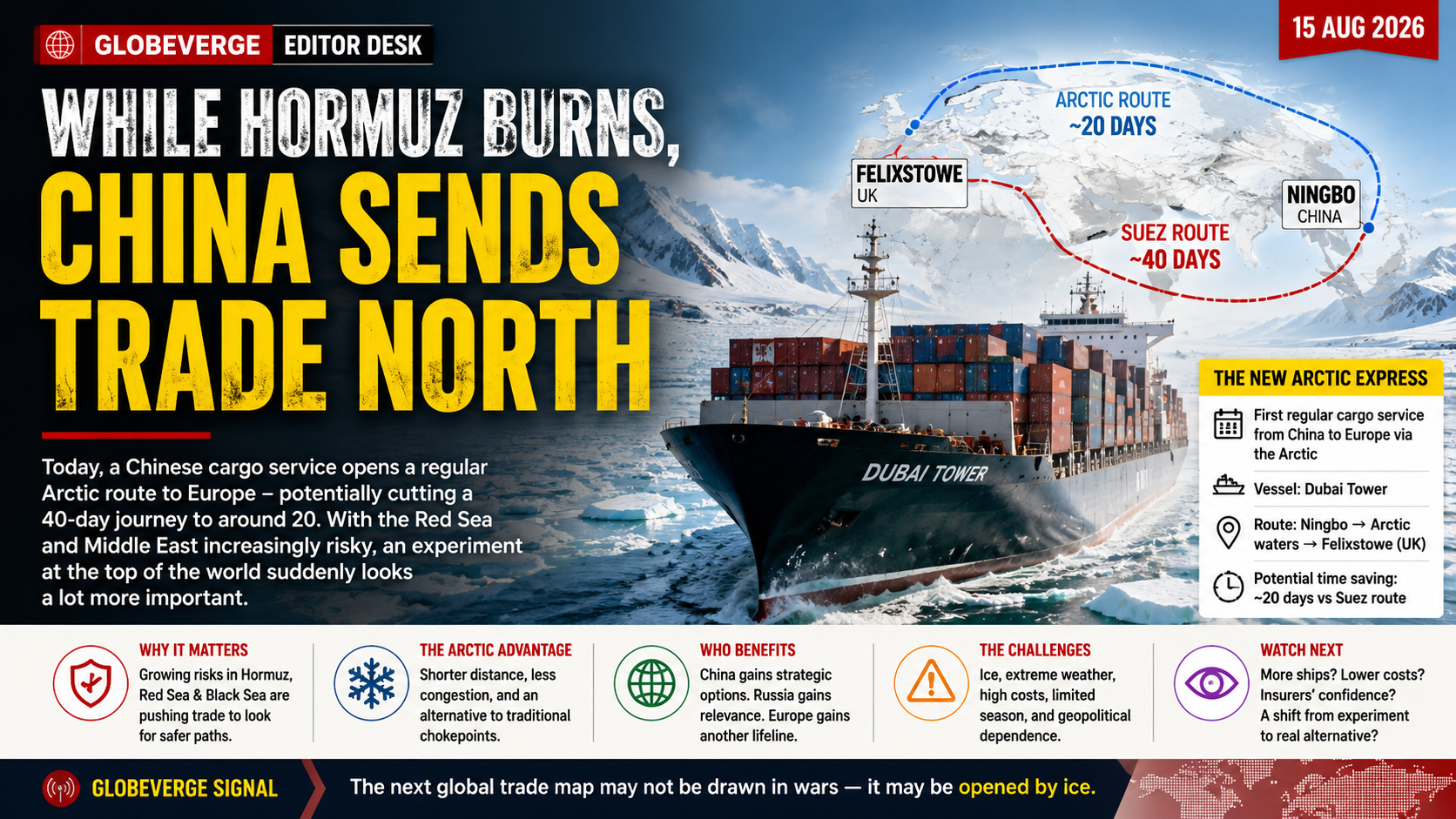
China Sends Trade North, While Hormuz Burns

As conflict makes some of the world’s busiest shipping corridors increasingly unpredictable, China is opening a regular Arctic cargo route to Europe. A journey that normally takes around 40 days could fall to roughly 20 — turning a frozen shortcut into a potentially important new trade corridor. A Chinese shipping company is beginning a regular container service between Ningbo and Felixstowe, travelling along Russia’s northern coast. Traffic through the Strait of Hormuz has plunged amid continuing hostilities, while years of insecurity around the Red Sea have already forced shipping companies to rethink routes. For decades, global shipping primarily asked: What’s the cheapest and fastest route? The next question may increasingly be: What’s the safest route when the world’s chokepoints become part of the conflict?

7,500 Quakes a Year — Why This One Turned Deadly

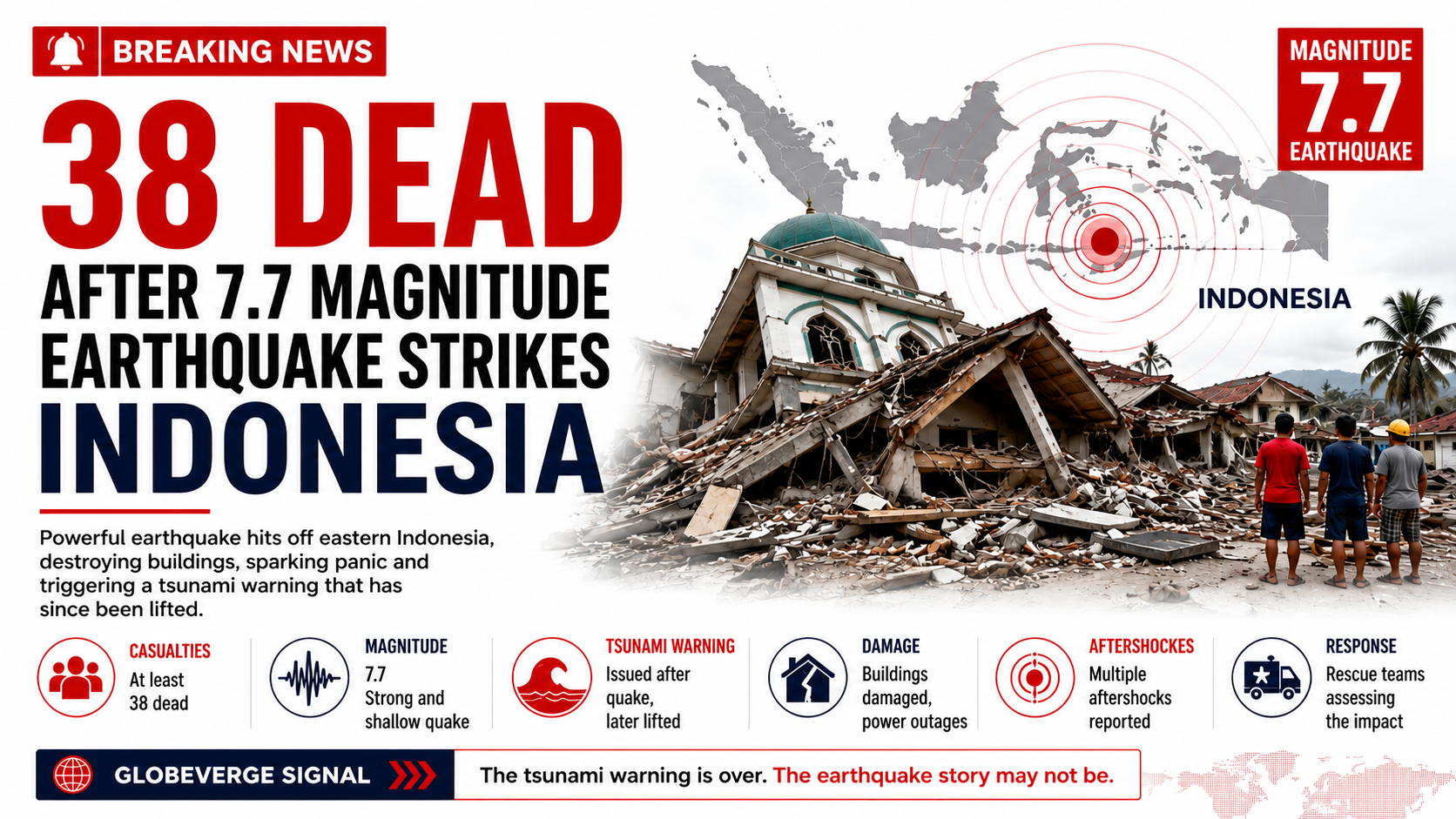
Indonesia lives on moving ground. It averages roughly 7,500 earthquakes a year Indonesia feels earthquakes almost every day. This one became a disaster. At least 38 people are now dead after the 7.7-magnitude shock brought down buildings, triggered deadly landslides and sent thousands fleeing for safety. The location carries painful history: a 1992 Flores earthquake and tsunami killed around 2,500 people. This time, authorities issued a tsunami warning and residents evacuated. The warning was later lifted, avoiding the catastrophe many feared.

While the World Watches Trump’s Headlines, Washington Is Quietly Rewriting Its Midterm Playbook

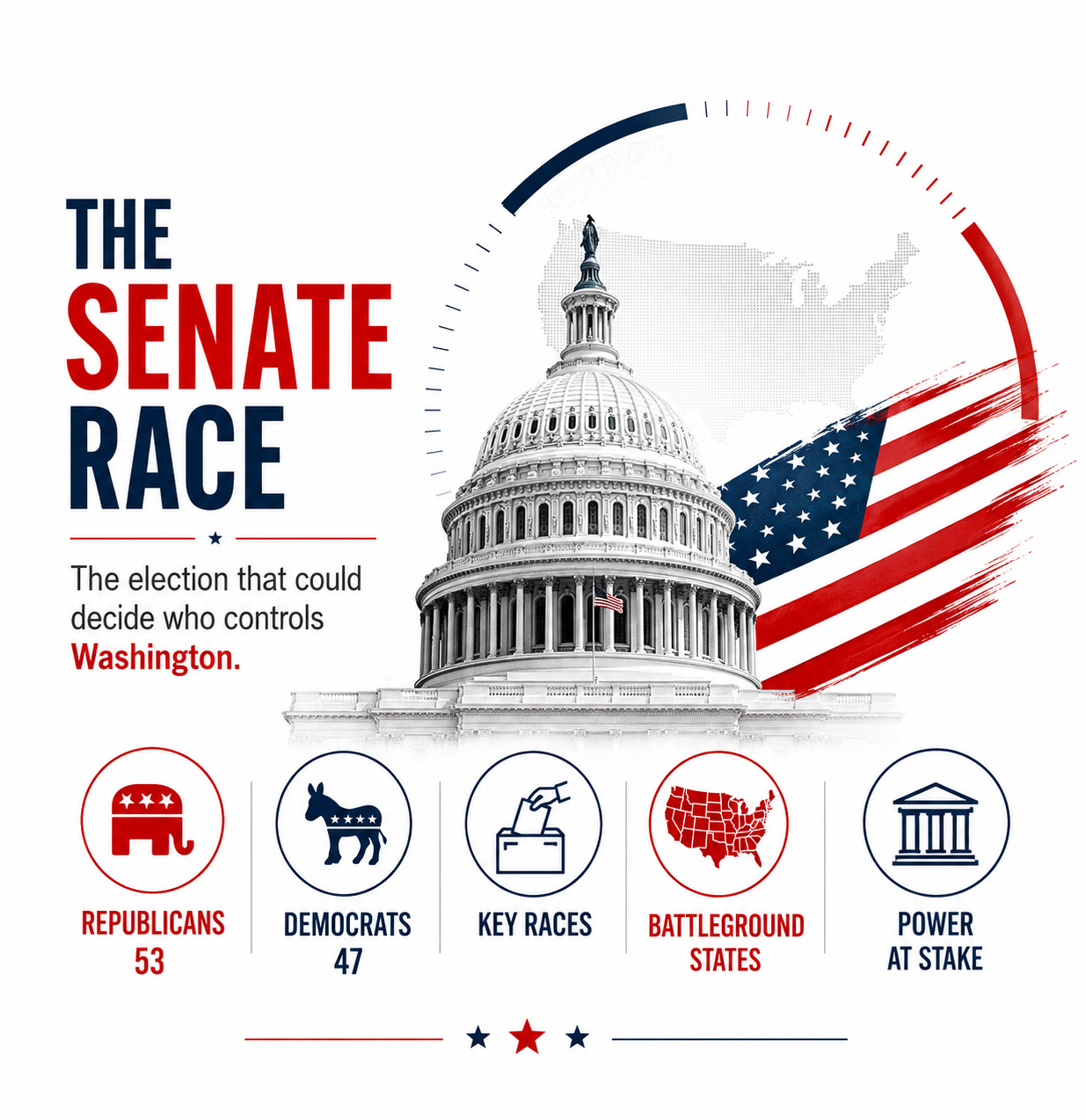
War, tariffs and presidential controversies dominate the news. Behind them, Trump’s political operation and Senate Republicans are already adjusting their strategy and messaging for the election that could decide who controls Washington. There is a second Trump story developing in Washington. And it isn’t happening at a rally. While international attention is fixed on Iran, trade and the daily stream of White House headlines, the administration’s political operation is increasingly focused on a different threat: November. Trump’s senior political team has recently briefed Republican senators on internal polling and the issues they believe could determine the midterms. One revealing area is healthcare: Republicans are being encouraged to focus more heavily on affordability and lowering costs. That may sound like ordinary campaign strategy. But it can tell us something important. When politicians begin changing what they emphasise, which voter concerns receive attention and where campaign resources are directed, it can reveal something opinion polls don’t always capture: What Washington itself is worried about. Republicans currently hold a 53–47 advantage in the Senate. Losing that advantage could fundamentally change the political environment surrounding the remainder of Trump’s term. So while much of the world watches today’s Trump story, another contest is developing underneath it: The battle to protect Republican control of Washington.

Markets Sleep. The World Doesn’t.

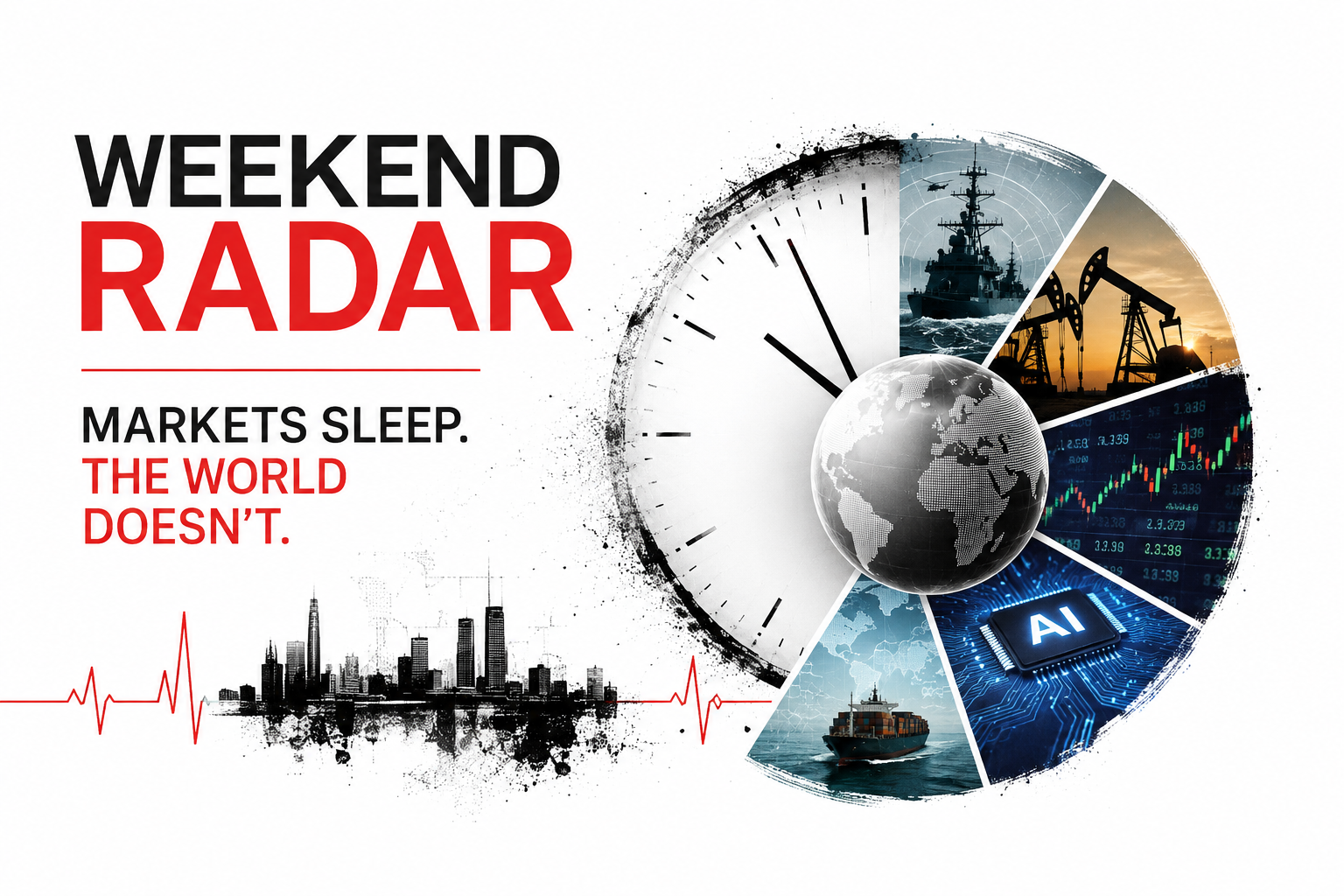
Five things worth watching over the next 72 hours—because Monday’s biggest story may be forming while markets are closed. Friday’s closing bell stops trading. It doesn’t stop the world. Wars continue, tankers sail, governments negotiate and technology keeps moving. Rather than looking backward at the week, GlobeVerge is watching what could matter before Monday arrives. 🔴 US–IRAN — Watch Hormuz The speeches matter less than the ships. Any escalation—or improvement—in tanker traffic through the Strait of Hormuz could quickly change the outlook for global energy. Watch → Tankers • Military activity • Diplomacy 🛢️ OIL — Risk Doesn’t Close Friday Oil trading pauses; geopolitical risk doesn’t. A quiet Gulf weekend could calm crude markets, while one serious incident could create a very different Monday opening. Watch → Hormuz • Iranian exports • Supply disruption 📈 WALL STREET — Can Confidence Hold? US equities enter the weekend around record territory despite war, oil and interest-rate uncertainty. The question is whether anything happens before Monday that makes investors reconsider that confidence. Watch → Geopolitics • Fed signals • Corporate surprises 🤖 AI — The Surprise May Come From Technology Don’t watch only wars and politics. A major AI model, chip, investment or Big Tech announcement could quickly become Monday’s dominant business story. Watch → AI models • Chips • Big Tech 🌊 UKRAINE — Watch the Other Waterway While Hormuz matters for energy, Black Sea developments matter for food and trade. Progress—or deterioration—around commercial shipping could have consequences beyond the battlefield. Watch → Russia • Ukraine • Black Sea shipping

The War Has Found a New Weapon: The World’s Oil Lifeline

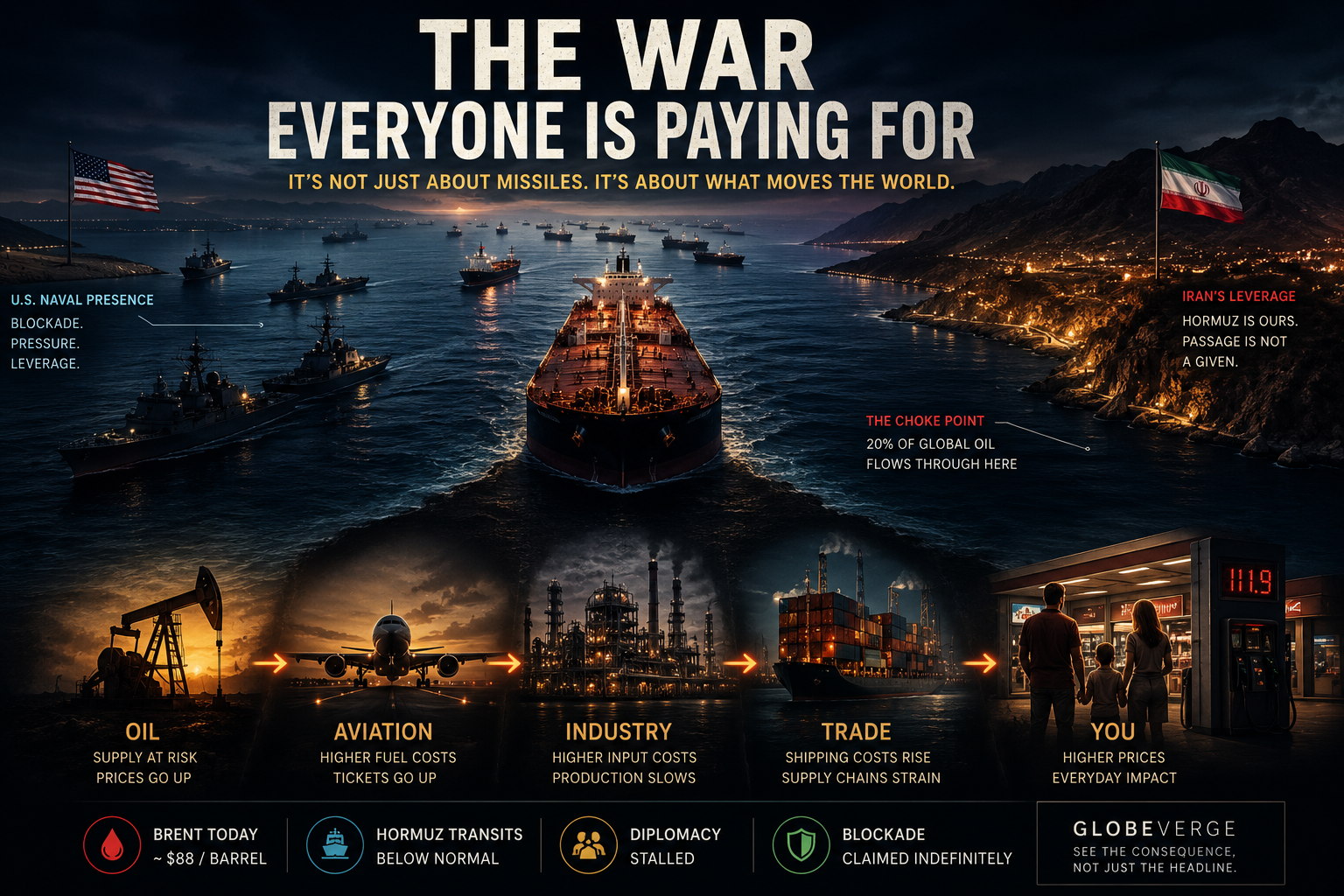
No missile needs to hit your city. No battle needs to reach your country. If the Strait of Hormuz stays dangerous, this war can still reach your wallet. At the narrow Strait of Hormuz, oil tankers are carrying more than crude. They are carrying the economic consequences of the war to the rest of the world. A tanker hesitates. An insurer raises the price of risk. A refinery starts hunting for oil somewhere else. An airline worries about fuel. A government worries about inflation. And eventually, a war thousands of kilometres away arrives at an ordinary family’s doorstep. That is why the next phase of the US–Iran conflict may not be decided only by who fires the most missiles. It may be decided by who can keep the world’s most important oil highway moving — and who can make the world afraid to use it. This is where the war becomes everyone’s problem.